Seasonal patterns matter for electrical load
Connecticut experiences hot summers and cold winters, with seasonal swings in heating and cooling demands. Those changes affect electrical service. In summer, air conditioners and fans can push circuits to their limit. In winter, space heaters and holiday lighting add to the load. Understanding how seasons drive demand helps you plan ahead and avoid surprises.
Preseason checks and upgrades
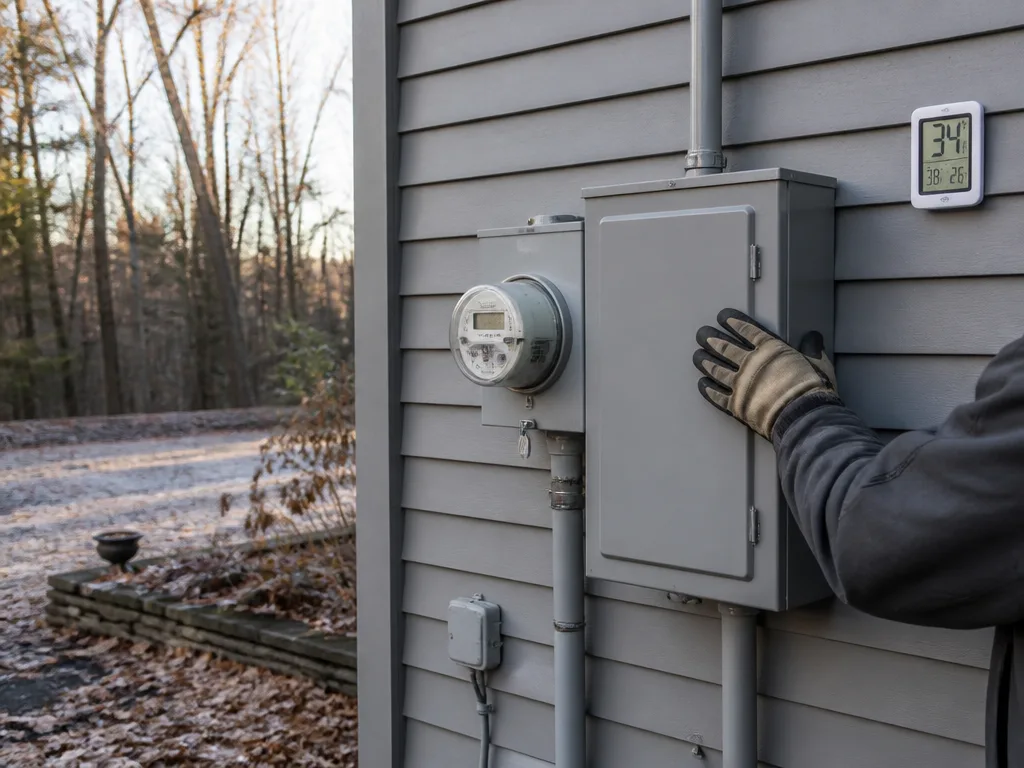
Before peak cooling season starts, have an electrician inspect your service panel, grounding, and main disconnect. Look for signs of aging wiring, loose connections, or corrosion. Replacing worn components now reduces the risk of nuisance trips during hot days. If your panel is old, you may need an upgrade to support modern equipment across Connecticut.
Outdoor and weather concerns
Outdoor outlets and weatherproofing matter in Connecticut’s climate. Check outlets and GFCI protection in kitchens, baths, and exterior areas. Inspect exterior lighting for damaged housings or weathering. A pro can install weatherproof outlets and ensure the grounding and bonding meet current codes, so you stay safe during storms and temperature swings.
What to do when the weather turns
If you hear buzzing, notice flickering lights during a storm, or see a breaker trip, don’t wait. Contact an electrician who serves across Connecticut. We can assess your system, confirm whether there’s moisture intrusion, and recommend steps to keep your home powered safely through the season. Connecticut LED Retrofit focuses on practical, state-wide service that respects your time and your budget.
Simple seasonal habits
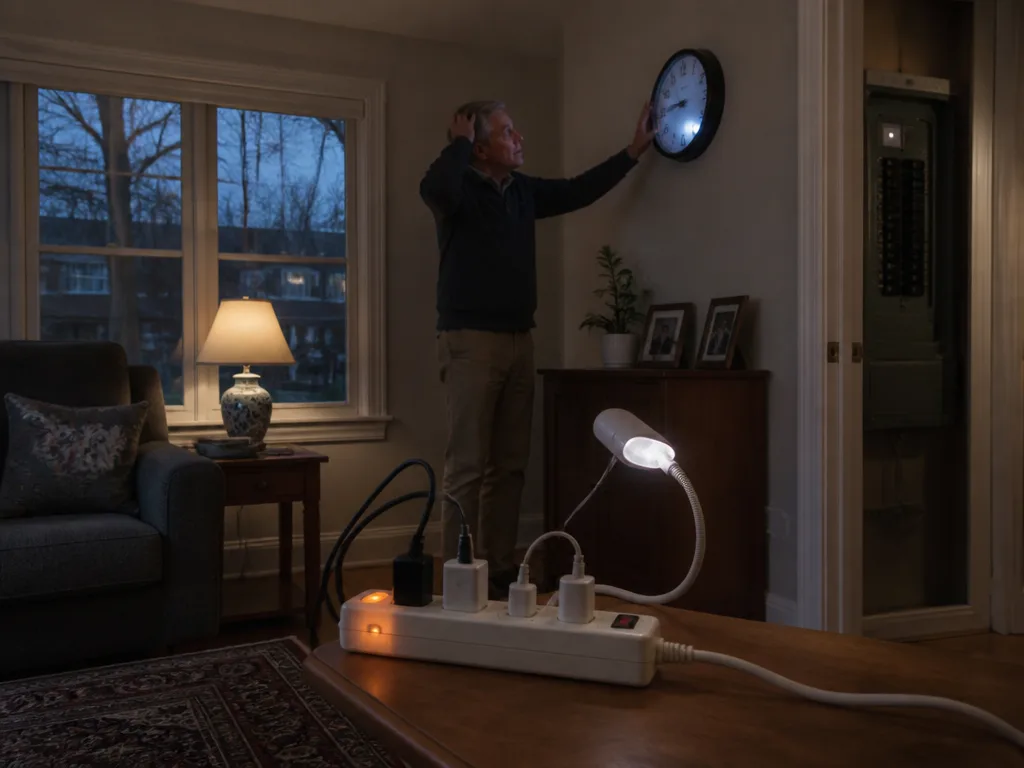
- Unplug nonessential devices during storms to reduce demand and surges.
- Keep cords and outlets clear of snow and moisture near exterior doors.
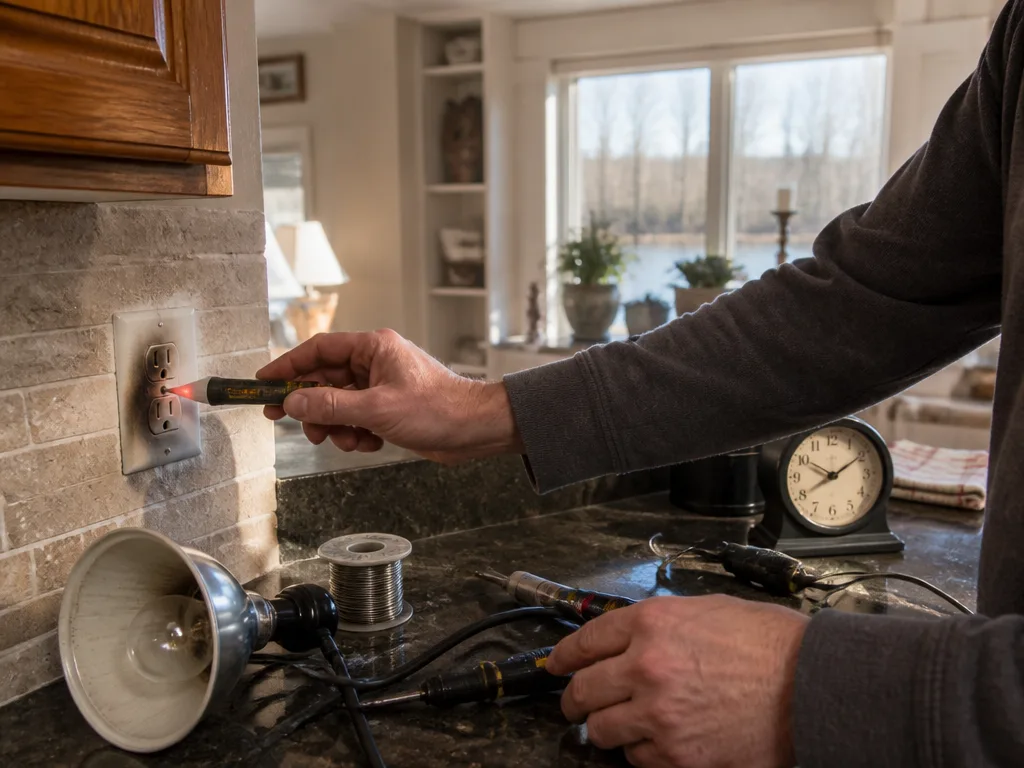
- Test GFCI outlets monthly to ensure they trip when needed.